Private Jet Travel Down Under
/
Paul Hogan carrying a crocodile in a bar scene from the film ‘Crocodile Dundee,’ 1986. Photo Credit: Archive Photos / Stringer.
Shocking as it may be for those in GenX, this year marks the 40th anniversary of the iconic film “Crocodile Dundee,” which provided the foundation for what many Americans know – or believe they do – about culture in Australia. Actor Paul Hogan, while visiting New York, started to imagine the culture clash between the city’s urban jungle and an Australian Northern Territory bushman. He turned his imaginings into a movie about Mick “Crocodile” Dundee (conveniently portrayed by Hogan himself).
In the film, Dundee impresses U.S. reporter Sue Charlton with his exploits in his native wilderness, manages to survive and thrive in NYC, and wins Sue away from her obnoxious American boyfriend. Audiences around the world were charmed by the tale, with lines such as, “That’s not a knife – THAT’s a knife,” still referenced decades later. The movie is the highest-grossing Australian film of all time. Two sequels followed (with the stars, Hogan and Linda Kozlowski, becoming a real-life couple until they divorced in 2014).
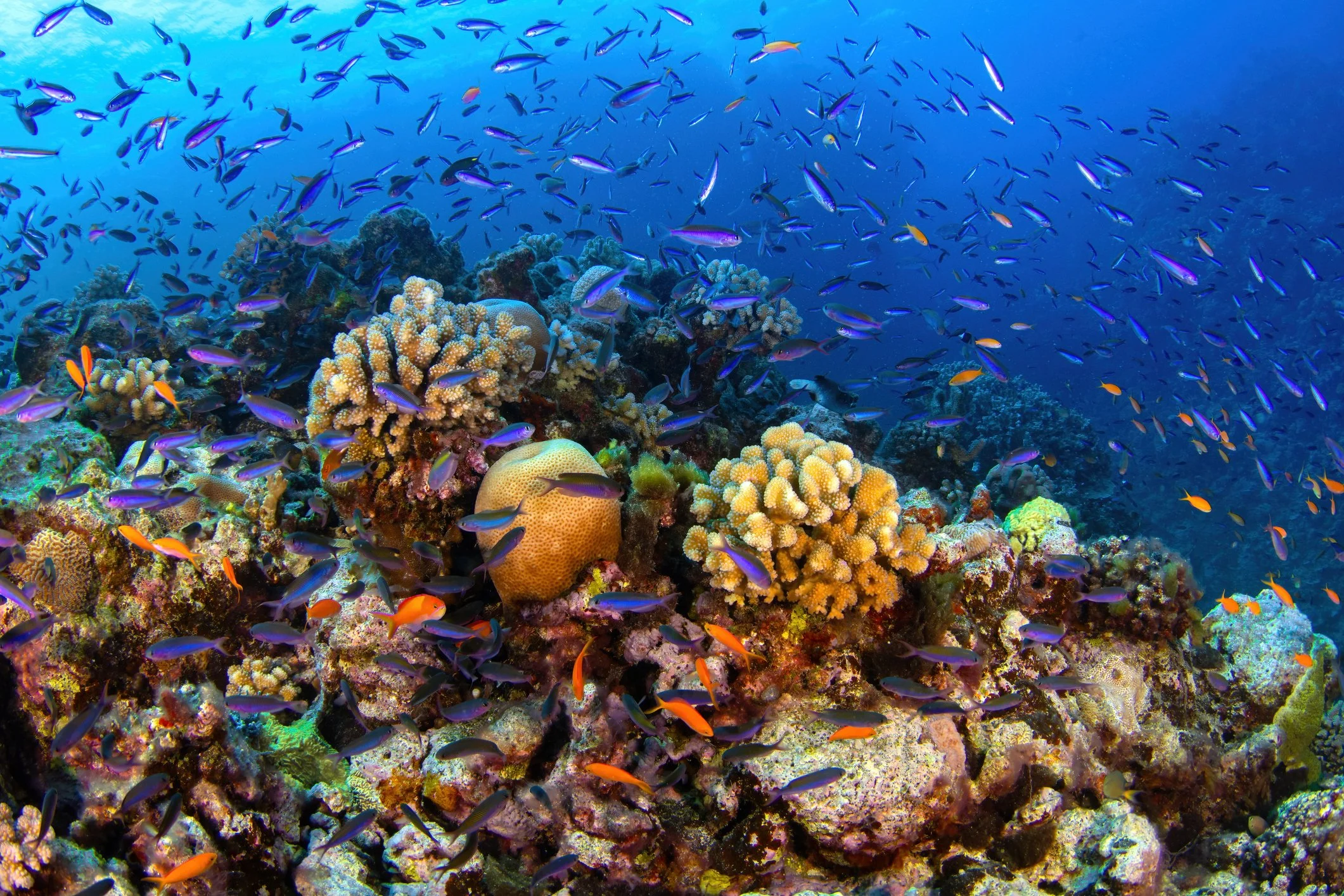
Hard Corals and tropical fish at the great Barrier Reef. Photo Credit: AndriiSclonchak, iStock / Getty Images Plus
In the 40 years since, Australia has become well-known around the world as a vacation spot. Tourists may want to avoid Dundee’s tussles with crocodiles, but the water buffalo and kangaroos featured in the film are another matter. Mix that in with thousands of beaches, the Great Barrier Reef and the vast Outback, and you get millions of visitors per year – about 8 million annually as of 2025, against a resident population of about 28 million.
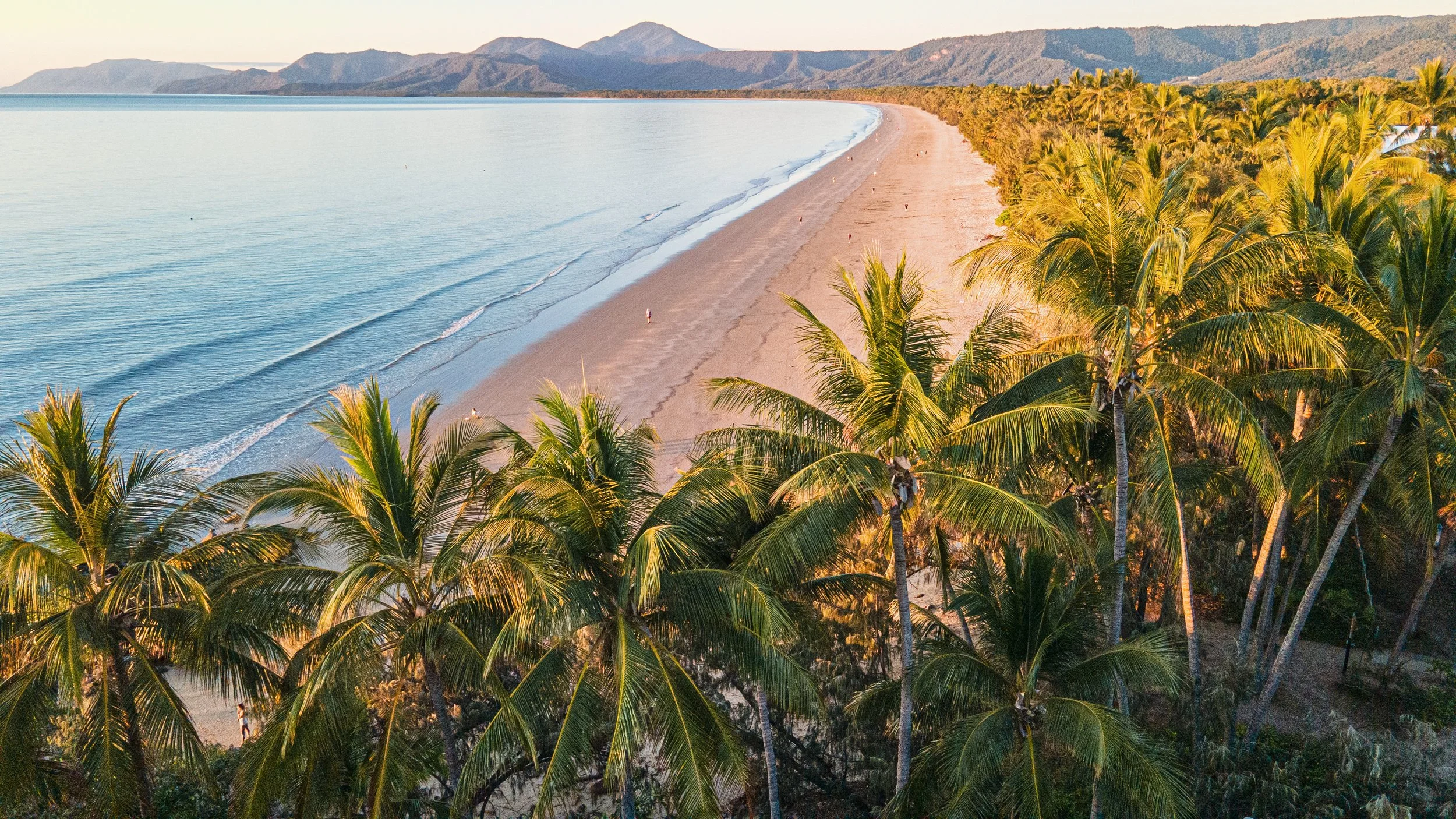
Port Douglas, Australia Sunrise. Photo Credit: Thomas Lisson, iStock / Getty Images Plus
However, for those looking to roam through Australia, getting around in 2026 vs 1986 is still challenging. The country is almost the size of the mainland U.S., but with far less population density, meaning that driving between cities or other tourist spots can take days. Business travelers looking to go to multiple locations face the same challenges. While budget airlines have sprung up to ferry passengers focusing on economy, there’s another option for those with more flexible budgets – charter flights. If you’d like to learn more about private jet travel Down Under, read on.
Boundless Plains to Share
To be clear, Australia and New Zealand’s charter aviation market is still relatively small compared to that of, say, North America or Europe. Estimates of the precise size of the market can be hard to come by – WINGX slots it into the “Rest of World” region. While some estimates indicate that the area has more than 200 business aircraft, the number of those aircraft actually available for charter as opposed to being solely used by their owners is significantly lower.
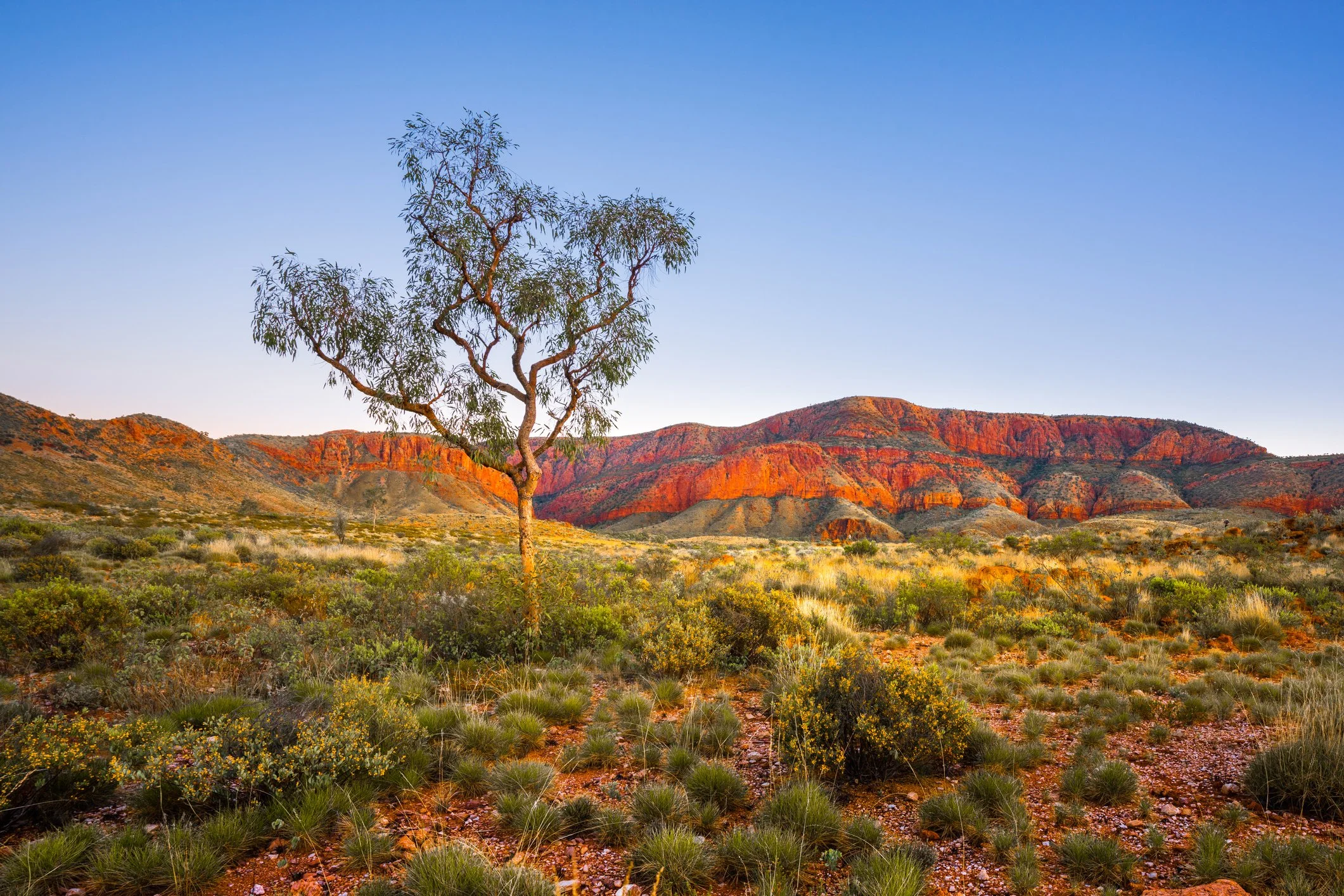
Ormiston Pound, Australia. Photo Credit: BenGoode, iStock / Getty Images Plus
What is known is that, like the rest of the world, “Oceania” has experienced a marked growth in business aviation flights over the pre-COVID 19 period. In 2023, WINGX estimated that the market, representing about 3% of all flights worldwide, had seen an increase of almost 50% over 2019 – less than smaller markets such as Asia-Pacific, South America or Africa, but significantly more than North America (11%) or Europe (8%).
“During the COVID period, Australia closed its borders, and no one was allowed to travel, even within the country,” says Peter Atkinson, Director at Hunt & Palmer. “When the pandemic eased, people were very concerned about traveling through airports. We’ve seen a gradual increase in demand for charter since then.”
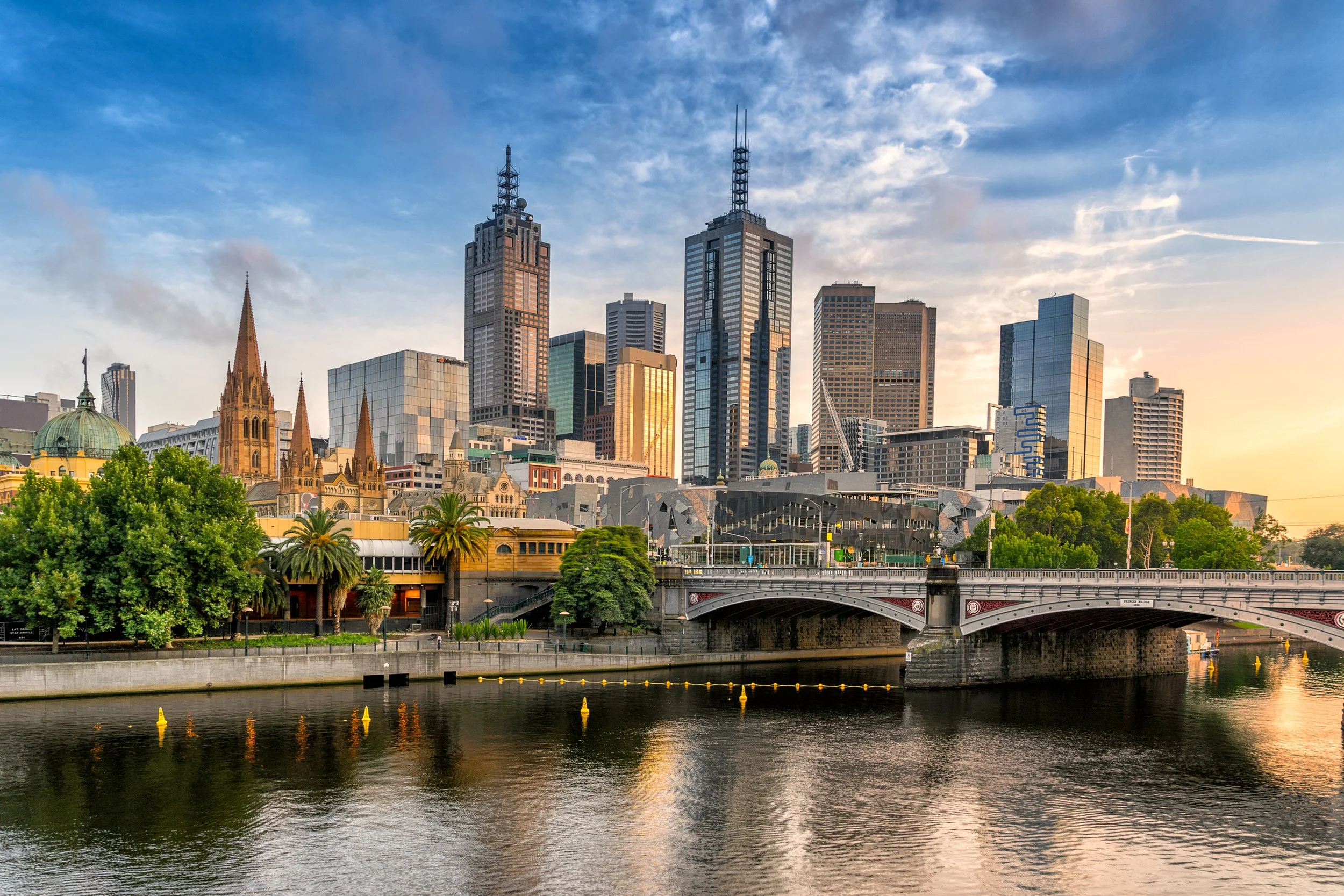
Melbourne, Australia. Photo Credit: GordonBellPhotography, iStock / Getty Images Plus
For those who solely want to hit up Sydney or Melbourne, scheduled service airlines offer plenty of options (albeit with standard airport security processes and wait times). However, for those looking to tour around outside large cities, airline service is limited at best – which is where charter can really come in handy.
Looking to gaze upon Uluru/Ayers Rock in the Northern Territory, the world’s largest monolith? That’s more than 1,300 miles from Sydney and almost 1,200 from Melbourne – as the crow flies. Want to experience “Australia’s most iconic outback pub” at Birdsville Hotel, built about a century before “Crocodile Dundee”? That’s about 900 miles from either Sydney or Melbourne. Hoping to search for opals in Coober Pedy? That’s about 1,000 miles from Sydney and close to 900 from Melbourne. All these destinations and more are much easier to reach via private turboprop or jet than by scheduled service air travel or driving.
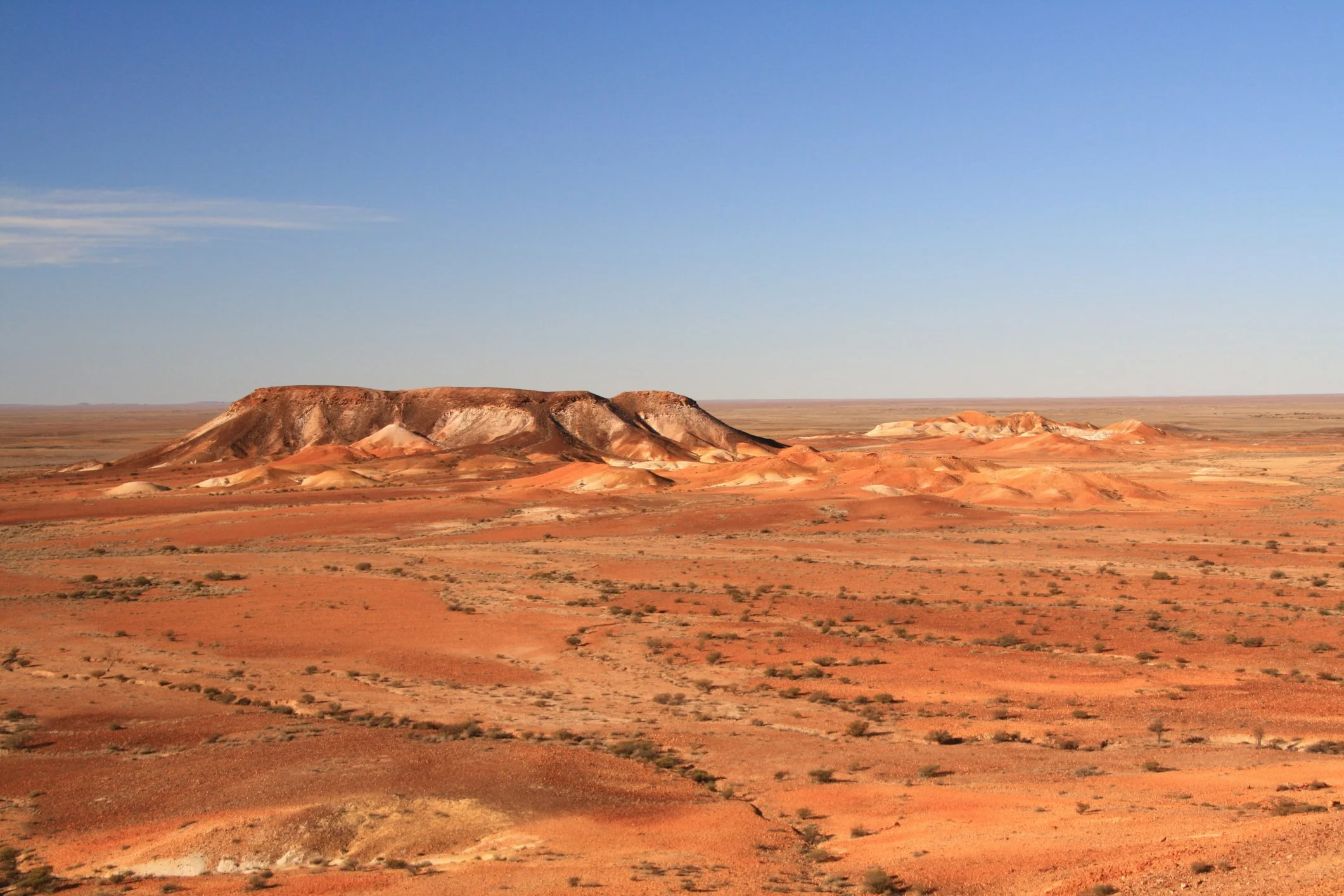
Kanku-Breakaways Conservation Area near Cooper Pedy. Photo Credit: Frerd78, iStock / Getty Images Plus
“Some of these outback destinations have become iconic,” Atkinson mentions. “People we send out to Coober Pedy, for example, like to say they’ve stayed there at an underground hotel.”
Beauty, Rich and Rare
The challenge for the charter aviation market Down Under relates to the supply side of the equation. “The problem with the Australian region and New Zealand is the lack of aircraft,” says Frank Tadros, Managing Director of Air Charter Network. “The total population in the area is about equal to that of Southern California, but we don’t have the same massive fleets of aircraft to draw on. Getting exactly what you need when you need it can be difficult.”
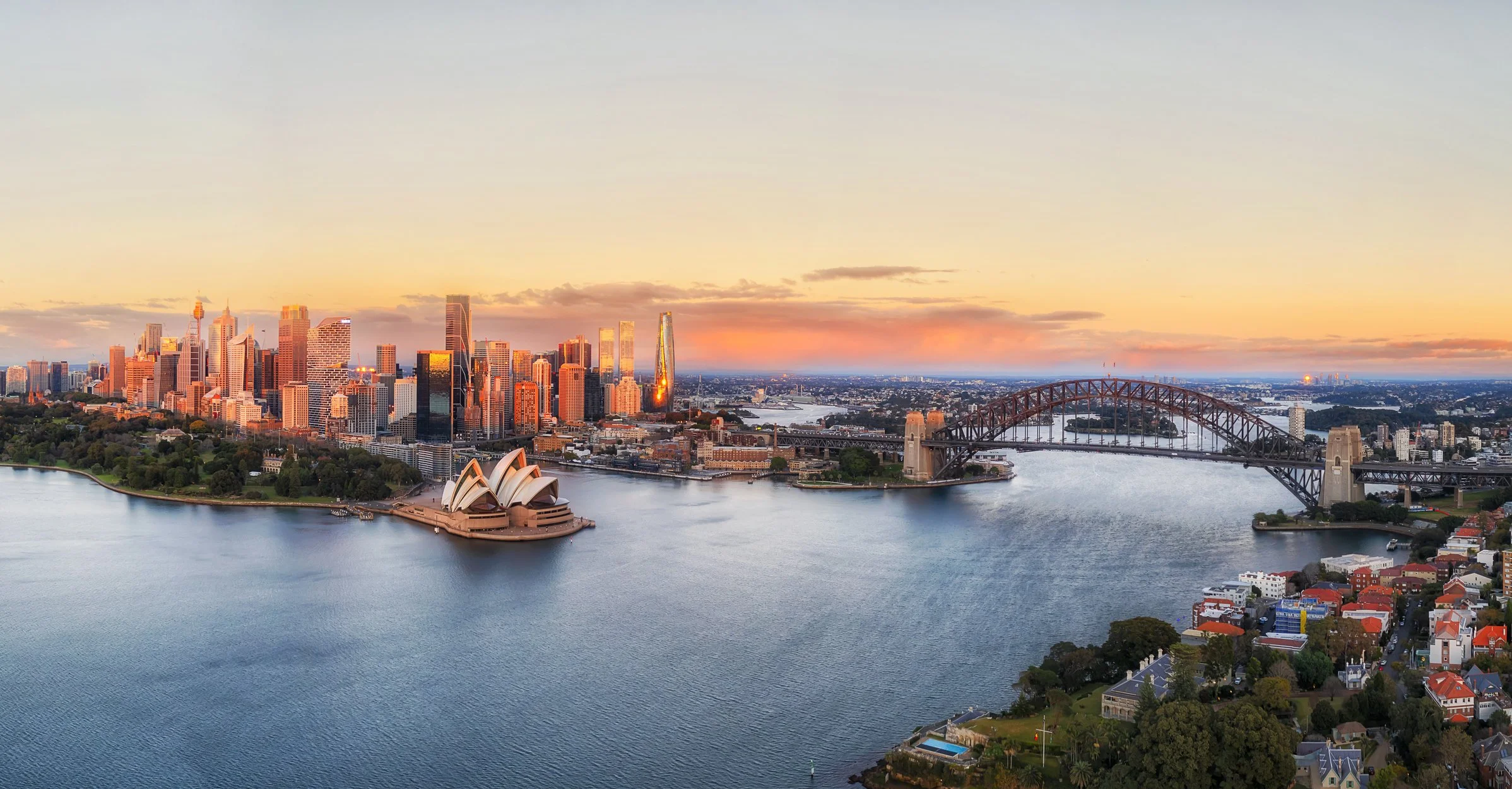
Sydney, Australia. PHoto Credit: Zetter, iStock / Getty Images Plus
Charter brokers looking to meet demand by bringing in planes from the outside can do so – if they can show Australia’s Civil Aviation Safety Authority that there are no reasonable alternatives available locally. Entertainers, such as bands looking to tour around Australia, frequently require long-term use of charter jets that necessitate seeking aircraft from elsewhere.
“The department of transport wants to make sure that local operators are relatively protected,” Tadros notes, “but damage to the economy can be quite substantial if aircraft aren’t available for a tour.”
And those looking for leisure aren’t the only ones driving increased requests for private jet travel. “Corporations are getting into chartering, just understanding that you can achieve so much when chartering as opposed to flying commercial,” Tadros says. “A lot of corporations use the time spent on board the aircraft for meetings, and they don’t have to rely on multiple scheduled service flights to get them to their destination.”
Golden Soil
Of course, certain industry sectors Down Under were already aware of the benefits of charter aviation. Mining companies – fueling Australia’s largest export industry – represent a significant source of demand for charter flights in Australia. Iron ore, gold, lithium, uranium and coal are often located far away from large cities – meaning that the people needed to pry them out of the ground must travel to do so.

Charter flights for mining personnel often involve larger aircraft that can hold 30 passengers or more. The challenge for mining flights are the runway options, with regional airports sometimes providing landing strips not suitable for larger aircraft or even for non-turboprop planes.
“If it’s a significant enough operation, the mining companies will build their own runways. It makes sense for them to invest in the infrastructure, especially given the need for a ‘fly-in, fly-out’ workforce,” Atkinson says. “They work in concert with the local authorities. There’s a huge road network as well, but in terms of speed, air is pretty much the only way to access these towns for supplies.”
Wealth for Toil
Outsiders looking to fly private Down Under should keep in mind that prices will likely be higher than for trips of a similar distance in North America or Europe. Sydney Airport recently implemented fee increases targeting business jets that impose higher charges for parking, runway use and services than before.
“Sydney Airport doesn’t value corporate jets as much as commercial jets,” Tadros says. “You can still fly in and out, but just be prepared for higher charges.”

Perth, Australia. Photo Credit: Paola Giannoni, iStock / Getty Images Plus
Airports at Melbourne and Perth are also quite busy, with policies that can limit options for travel in and out. “In those major ports where a lot of people want to fly to, conduct business and fly out the next day, it’s getting hard to get the times you want due to slot controls,” Tadros mentions. “The whole premise of chartering an aircraft is flexibility, but that’s become more difficult in recent years.”
However, there are new airport possibilities under development. The Western Sydney International Airport (YSWS), currently under construction in the suburbs of Luddenham and Badgerys Creek in New South Wales, is expected to be operational by the end of 2026. Unlike Sydney Airport, it will not operate with a curfew, instead offering 24-hour service. Stage 1 of the project will involve a single runway with a capacity of as many as 10 million passengers per year, with eventual expansion of the terminal building and addition of a second runway planned for the future.
“With the new airport opening up, we might see some relief, but we don’t know for sure how that will impact the private jet market,” Atkinson cautions.
The smaller size of the charter aircraft market vs that of North America or Europe means that costs for insurance and maintenance in Australia tend to be higher, given the lack of large fleets driving competition in the industry. Fuel costs are also increasing. “A number of charter companies are starting to introduce a fuel base into their contracts,” Atkinson says. “The clauses specify that prices quoted are based on fuel at a certain price per gallon, with a surcharge or potentially a rebate if fuel costs vary significantly nearer to the flight date.”
But even rising fuel costs and potential environmental concerns aren’t expected to hold down private jet travel Down Under. “There’s always going to be a discussion about how the industry adapts, but at the end of the day, if there’s a need for something, people will find a way to make it happen,” Atkinson concludes.
Advance Australia Fair
While travel patterns in general may be difficult to forecast, the cities, outback, beaches and attractions of Australia are expected to continue to be a draw to visitors both inside and outside of the country. July 2028 will mark a total solar eclipse visible completely from Australia and New Zealand for roughly 5 minutes, and travel experts recommend that those interested start planning their trips now.
In the meantime, events such as the annual Australian Open tennis tournament and the 2027 Men’s Rugby World Cup are expected to keep driving demand – along with interest from those who may have seen “Crocodile Dundee” (or one of the many iterations of “Mad Max”) and wish to investigate how closely real life meshes with reel life Down Under.
“Chartering for individuals and corporations provides flexibility with reliability that’s hard to beat,” Tadros says.