Melbourne Cup Getaway
/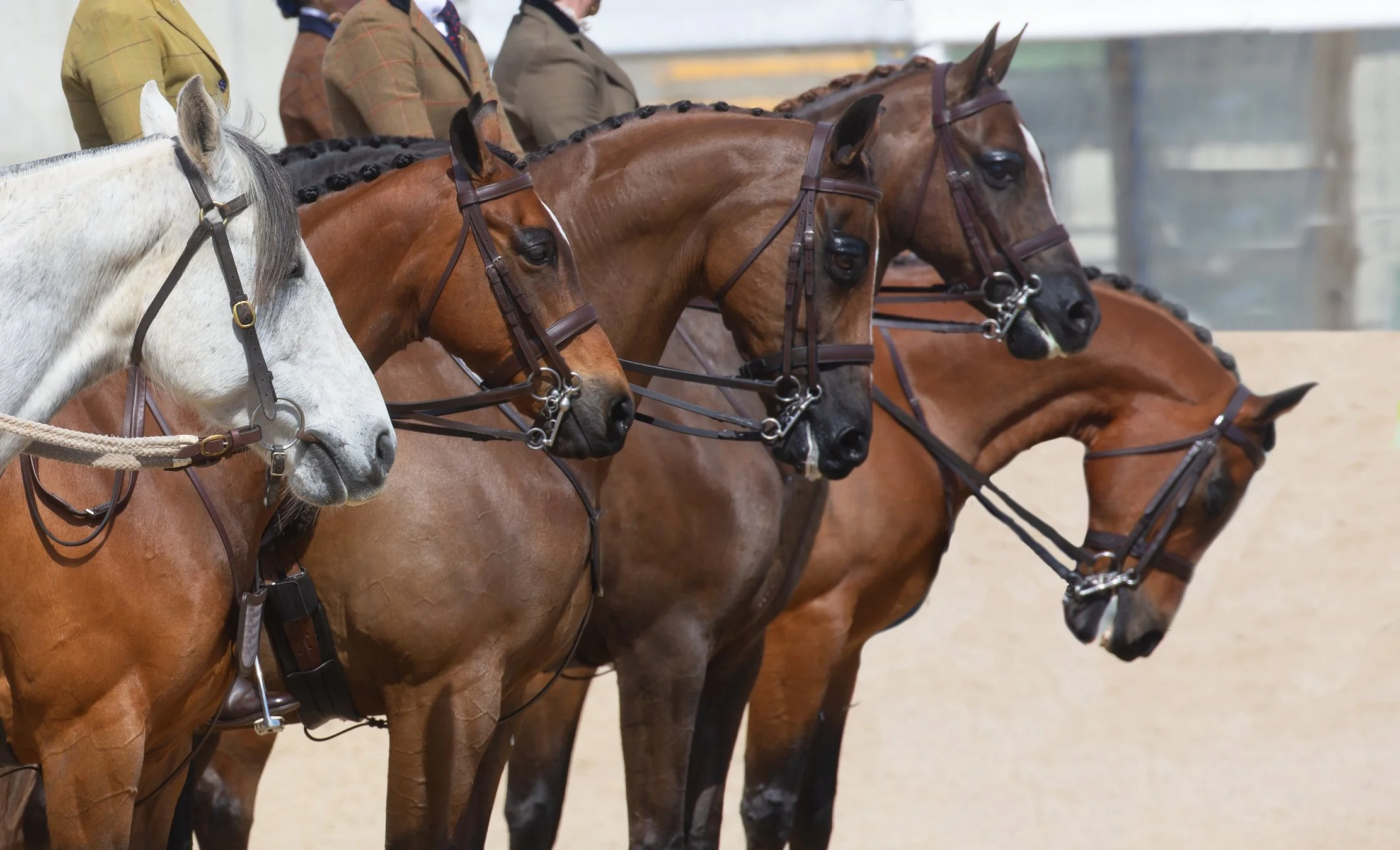
The melbourne cup horse race. Photo credit: AscentXmedia, getty images
When spring in Victoria arrives with long gold afternoons settling over the Maribyrnong River as the days lengthen toward summer, somewhere in early November, for two minutes on a Tuesday, the entire country stops moving to watch a horse race. This is the particular alchemy that produces the Melbourne Cup. The race has been run at Flemington since 1861, the brainchild of police commissioner Frederick Standish and industrialist Robert Bagot, who wanted a staying event that would draw the finest horses from Australia and beyond. Mark Twain, visiting the colony in 1895, was astonished by what he found: "Cup Day, and Cup Day only, commands an attention, an interest, and an enthusiasm which are universal." He was not exaggerating, and more than a century later, nothing about that description needs updating. The race has since produced its own folklore, from Phar Lap's Depression-era win in 1930 to Makybe Diva's unmatched run of three straight Cups in the mid-2000s, and every November the same question hangs over Flemington: whose name gets added to that list next.
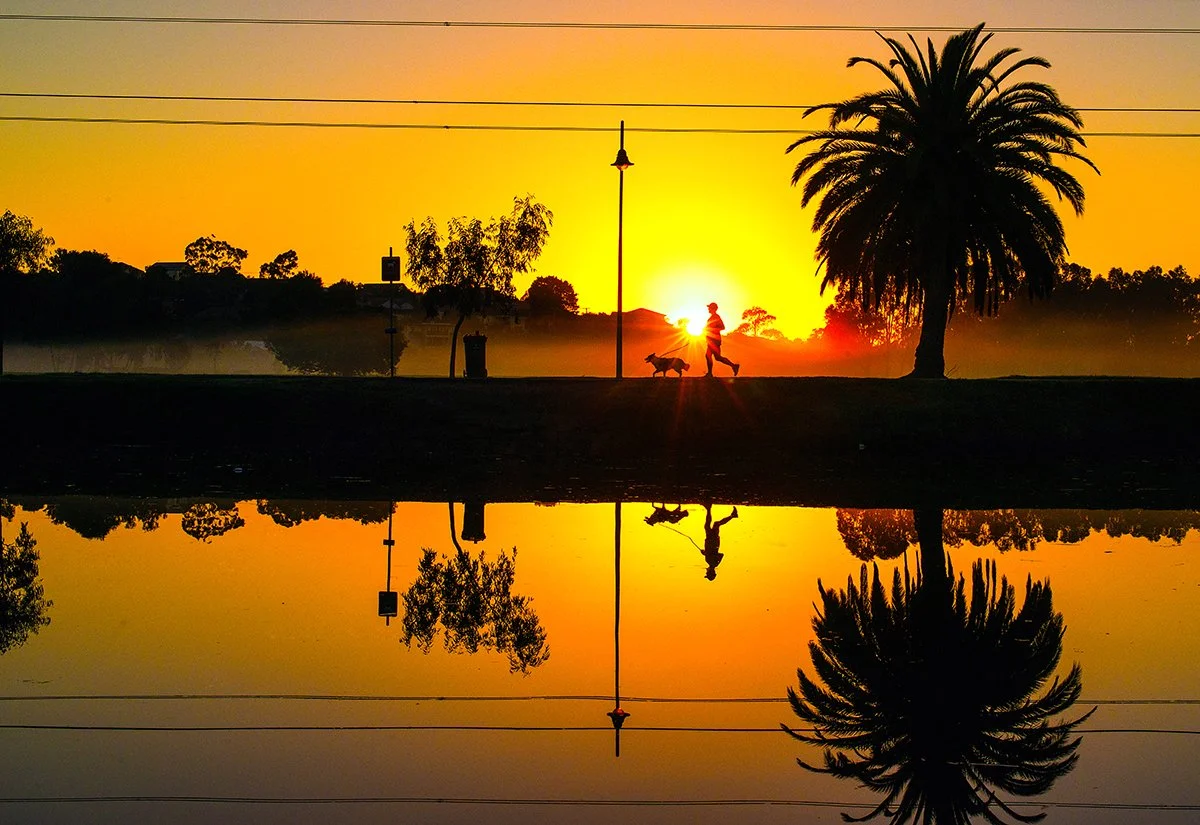
The Maribyrnong River at sunrise. Photo Credit: Natural AT its best, Getty IMages
The Cup and Carnival Week
The 2026 Lexus Melbourne Cup runs on Tuesday, November 3, at Flemington Racecourse, carrying $10 million in prize money under the Victoria Racing Club's new structure, part of a $32.5 million purse across the four days of the carnival. The race itself is run over 3,200 meters, a handicap that rewards stamina over speed and has, across more than a century and a half, produced some of the most dramatic finishes in the sport. What began as a colonial curiosity has become one of the most international fields in racing, with European and Japanese stables now shipping horses months ahead of time to adjust to the reversed Southern Hemisphere seasons and the unfamiliar demands of a left-handed track most of their runners have never seen.
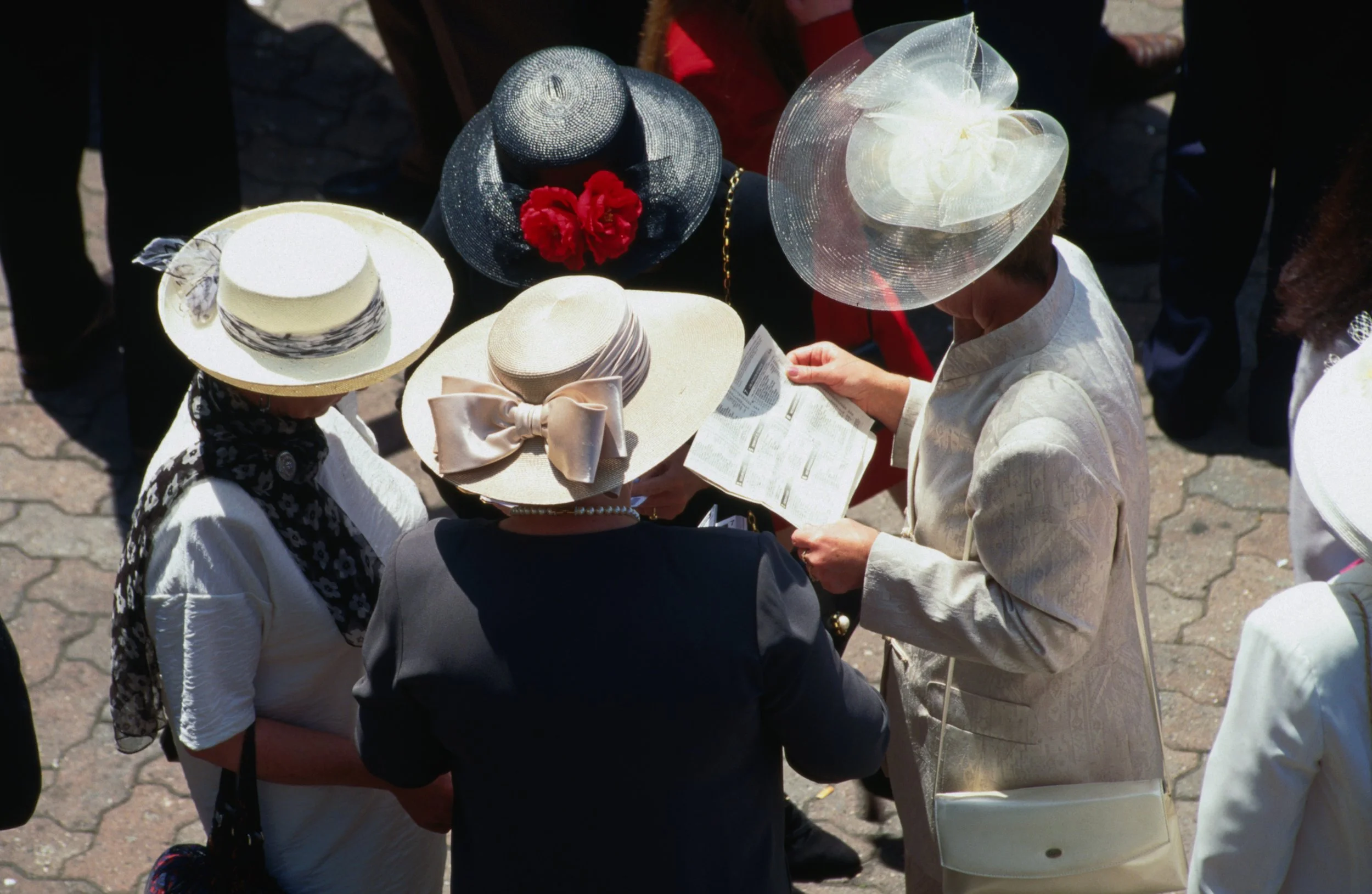
Oaks Day during Melbourne’s spring racing carnival. Photo Credit: James Braund, getty Images
The carnival unfolds across four days, each with its own character. Derby Day leans formal, Stakes Day closes the week on a looser note, and Oaks Day, the Thursday in between, is the social high point, a procession of millinery and tailoring anchored by its own Group 1 feature. Cup Day itself sits at the center of it, and the enclosures reflect a clear hierarchy. The Birdcage, once simply the stabling yard with a barrier between horses and spectators, has evolved into an invitation-only precinct of private marquees, rooftop bars, and its own live entertainment stage, the most exclusive ground at Flemington. The Members' Enclosure, spanning the Club Stand, the Members' Lawn, and the historic Phar Lap Marquee, keeps a more traditional dress code of tailored suits and elegant dresses, one of the few concessions the VRC makes being an allowance for international visitors to wear the formal national dress of their own country. General admission, by contrast, carries no dress requirements at all. However, few visitors take the club up on that, and Fashions on the Field, a genuine competition with real prize money on the line, has been drawing serious sartorial effort from the crowd since 1962.
Arriving at Flemington
Arriving by private aircraft is the natural choice for Cup Week. Essendon Fields Airport (YMEN), a former RAAF base just eleven kilometers from the CBD, is Melbourne's dedicated general aviation hub, its runways built to a load capacity meant for heavy military transport and its modern FBOs handling corporate jets around the clock under a low-noise flight path that keeps the airport clear of the congestion at Tullamarine. Chauffeured transfers run directly from the terminal to the city's leading hotels. For those adding the Yarra Valley to the itinerary, a helicopter cuts the trip to twenty minutes, compared with more than an hour by road. Landing at Essendon Fields removes Cup Week's two biggest obstacles at once: the domestic connections that eat into carnival days, and the traffic that clogs every road toward Flemington by early afternoon.
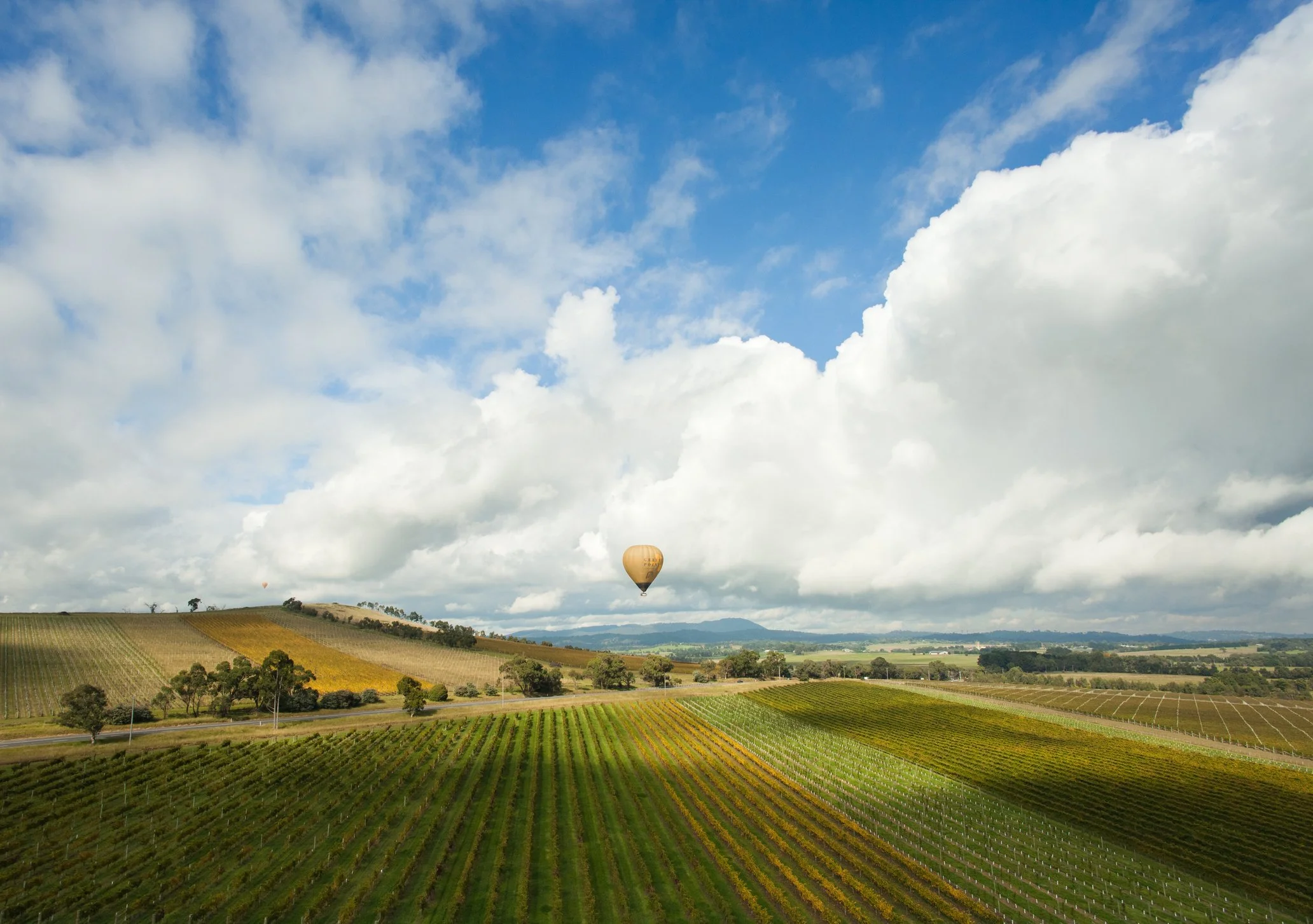
Hot air ballooning over the vineyards of Yarra Valley. Photo Credit: Ippei Naoi, getty images
Where to Stay
The Ritz-Carlton Melbourne, which opened in 2023 across eighty stories above the CBD, is the newest word on where to stay during Cup Week. Architect Shane Williams of Cottee Parker designed the tower around its views, with walls of glass on every floor. At the same time, BAR Studio's Rowena Hockin filled the interiors with local art, including bronze lobby door handles cast from a piece by Indigenous artist Maree Clarke in the shape of a traditional welcome necklace. Rooms and suites occupy floors 65 through 79, with a Sky Lobby on Level 80 and a spa on 64 that pairs an infinity pool with ice fountains and six treatment rooms. Atria, the hotel's restaurant, holds a hat in The Age Good Food Guide for its seasonal Australian menu, while Cameo pours from a speakeasy-inspired bar down the hall. The hotel has already been ranked the top property in Australia and New Zealand by Condé Nast Traveler's readers, a fast climb for a building barely three years old.
For a different register of Melbourne grandeur, Crown Towers has held the title of the city's number one hotel for more than twenty-five years running. Set on the Yarra in the Southbank entertainment precinct, its 481 rooms include 82 suites and 32 villas with private butler service, and guests with Crystal Club access get a dedicated check-in and concierge lounge. The hotel's dining roster reads like a who's who of Melbourne fine dining, Nobu and the multi-award-winning Koko among them, and Crown Spa's 25-meter heated indoor pool and rooftop tennis courts round out a property built for a week when guests want everything on-site.
Where to Eat
Vue de Monde has occupied the 55th floor of the Rialto Towers since 2011, the third home for a restaurant Shannon Bennett founded in a Carlton terrace in 2000. Executive Chef Hugh Allen, who trained at Noma in Copenhagen before returning to Melbourne in 2018, now runs the seventy-seat dining room, its kangaroo leather chairs and stretched black leather table dressings set against street art by Melbourne's Rone, with the Docklands to the Dandenongs spread out below the windows. The tasting menu changes with the seasons and leans hard into native Australian ingredients, sourced with the same curiosity that has kept the restaurant a fixture of Melbourne's three-hat tier for decades, a fitting complement to a week when the whole country is watching the same three minutes at Flemington.
Flower Drum, a short walk away in Chinatown, offers the counterpoint of five decades of consistency. Gilbert Lau opened it in 1975 in a converted car park on Little Bourke Street, naming it after the 1961 film "Flower Drum Song," and scored two hats in the first edition of the Good Food Guide in 1980 before the restaurant moved to its current Market Lane address in 1985. Lau sold the business to his staff in 2003, and head chef Anthony Lui, part-owner since that sale, still runs the kitchen behind Cantonese classics like whole Peking duck and steamed coral trout. The Good Food Guide named Flower Drum its 2026 Restaurant of the Year, timed to the restaurant's fiftieth anniversary, proof that Melbourne's best table is not always its newest one.
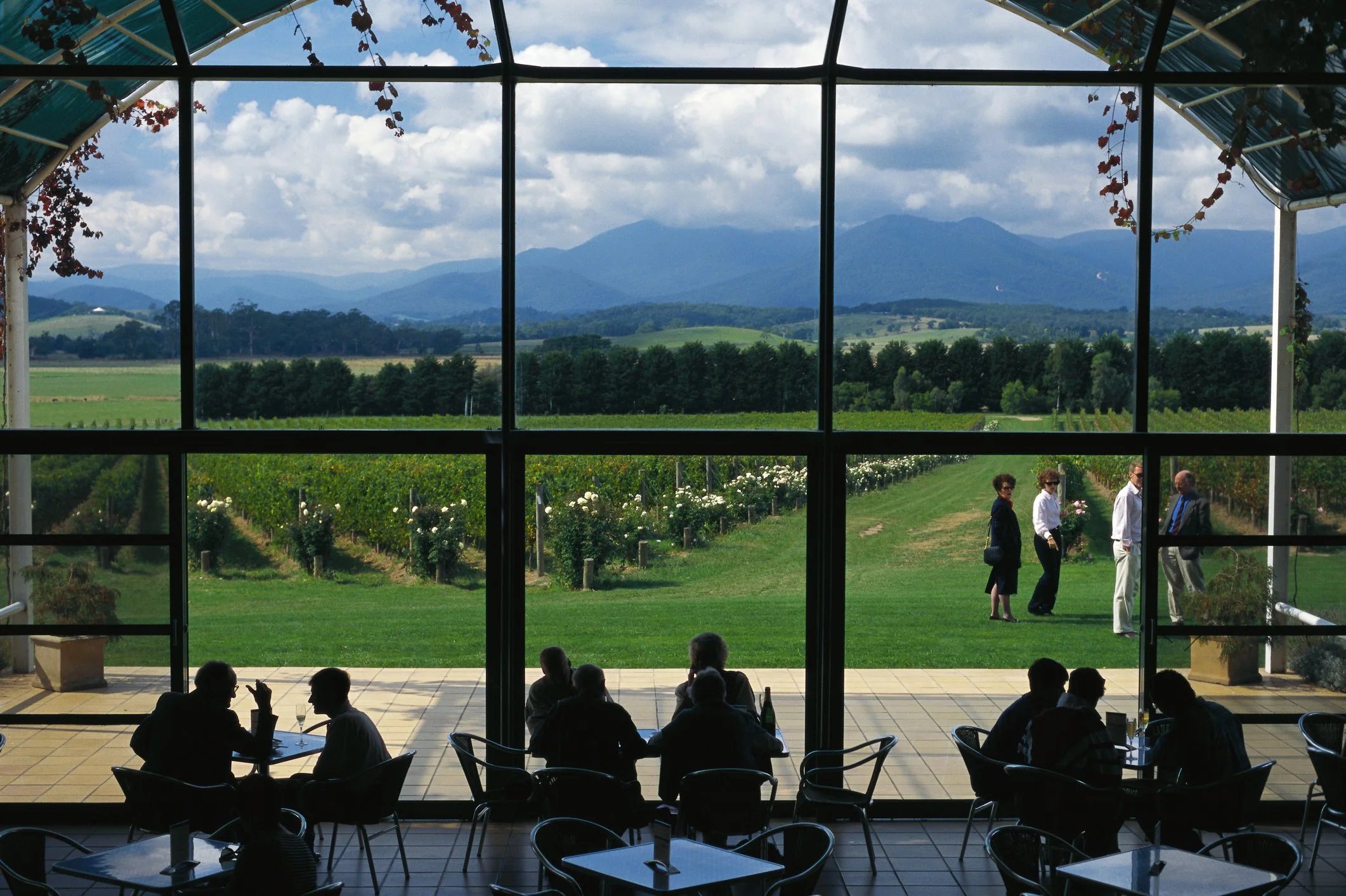
The Domaine Chandon Winery in Australia’s Yarra Valley. Photo credit: Charles O’Rear, Getty Images
Beyond the Racecourse
Less than an hour from the city, the Yarra Valley rewards a day away from the track. Domaine Chandon, founded in 1986 by the French champagne house Moët & Chandon on a former dairy property called Green Point, was built on the belief that the valley's cool climate could produce a genuine méthode traditionnelle sparkling wine outside Champagne itself. Chief winemaker Tony Jordan proved the theory correct, and the Greenpoint Brasserie now serves seasonal, French-inflected plates under 270-degree views of the vines, with tastings running from a quick splash at the bar to a full guided tour through the Riddling Hall, a natural half-day stop between carnival race days.
Back in the city, the National Gallery of Victoria's Great Hall holds the largest stained glass ceiling in the world, a kaleidoscope of more than two hundred triangular panels designed by Melbourne artist Leonard French and unveiled in August 1968 under Sir Roy Grounds' equally striking architecture. Visitors have been lying on their backs on the Great Hall floor to look up at it for more than fifty years, and it remains one of the more unexpected things a first-time visitor to Melbourne encounters, a fitting companion to a week already full of spectacle.
The Case for a full Week
What the Melbourne Cup Carnival offers, in the end, is not one race but an argument for an entire week. Racing that has stopped a nation since 1861. A city that reorganizes its restaurants, its hotels, and its fashion sense around a single Tuesday afternoon. A stained glass ceiling on one side of town and a valley of sparkling wine on the other, both worth the detour. Very few places in the world hand a visitor this much city around one race, and none of them are Flemington's equal on the day itself.
To make your journey as seamless as the adventure itself, trust Air Charter Guide to provide comprehensive and up-to-date flight booking information, ensuring every step of your travel is smooth and stress-free. The Cup only runs once a year, and Flemington will look exactly as it should from the moment you land, so let Air Charter Guide help you get there.